Roof Replacement After Leak: How Contractors Approach It
A roof leak rarely stays polite. What starts as a small wet spot can quickly become a story about hidden pathways, time-of-day effects, and the kind of water damage that does not always show itself until the next rain cycle. When that happens, many homeowners and property managers land in the same uncomfortable question: should we pursue roof repair or plan for roof replacement after the leak?
Contractors do not make that call based on hope or a quick look from the ground. The work is a careful process built around roof inspection, leak investigation, and practical judgment about the age and condition of the system. Whether you are dealing with Roof Repair, Emergency Roof Repair, or Commercial Roof Repair, the core approach is similar: find the source, understand the scope, then decide whether the numbers and risks still favor repair.
Why leaks push a roof toward replacement
A leak is more than a missing barrier. It is a sign that at least one part of the roofing assembly has failed, and the failure can be localized or widespread. Contractors usually run into two common patterns.
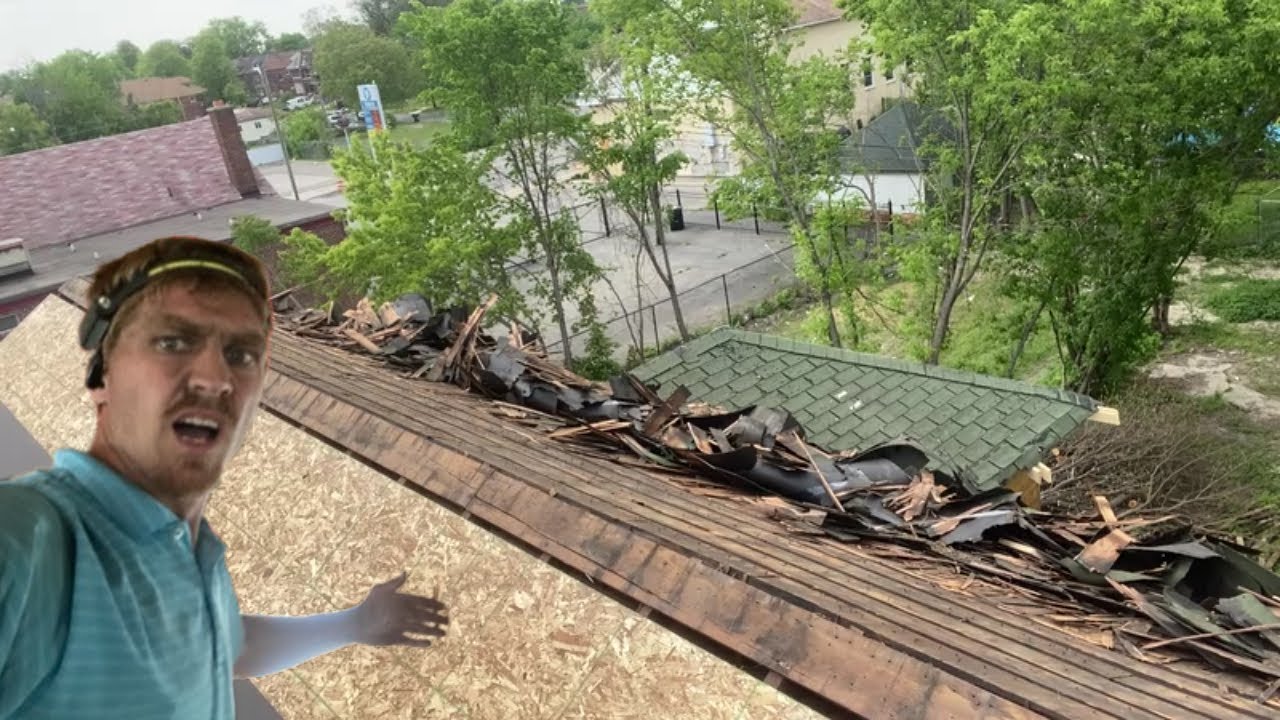
First, there are the small, isolated issues where Roof Leak Repair can make sense. A seam that opened, flashing that did not seat properly, or a localized problem around a penetration can sometimes be addressed directly. Industry guidance that many contractors follow often boils down to a rule of thumb: small, isolated problems can be repaired, while older roofs, widespread damage, recurring leaks, or multiple trouble spots may justify replacement.
Second, there are roofs that keep “finding new ways” to fail. A patch that dries out after the rain, then leaks again during the next storm, is a warning sign. Recurring leaks often mean the underlying problem is not just the visible wet area. Water can travel beneath shingles, through layers, or along surfaces that only reveal themselves under specific conditions.
There is also the age factor. Asphalt shingle roofs are common, and research cited by manufacturers indicates they generally last about 20 to 30 years, depending on conditions and maintenance. When a leak shows up near the back end of that lifespan, contractors typically treat the decision as more than a single repair. Even if the immediate leak Commercial Roof Replacement seems pinpoint, the system is often near the point where multiple components are tired at once.
The first job: treat it like a leak, not like a stain
The contractor’s mindset starts with urgency and control. Even in non-emergency situations, a leak creates an active risk: water can keep working its way into materials, and the longer it stays, the more likely you will see secondary damage.
That does not mean every leak requires Emergency Roof Repair, but it does mean professionals prioritize containment and diagnosis. In the field, I have watched homeowners wipe away a ceiling stain and assume the problem is “over,” only to discover that the wet pathway was still active. Water can show up inside long after the roof surface has dried, because it is migrating through layers.
So the first stage is usually about stopping further intrusion, then starting the investigation with fresh eyes. If the leak is actively leaking during or right after storms, contractors often work around weather and safety constraints while still keeping the process moving.
Roof inspection: how contractors actually investigate a leak
A Roof Inspection after a leak is not just walking the roof and guessing. Good contractors look for patterns and pathways, because leaks often travel.
Depending on the roof type and the building layout, the investigation can include both interior and exterior observations. The goal is to connect what you see (the wet spot, the staining, the damp insulation) to what caused it (the specific breach or failure points).
Here is the kind of focused inspection process contractors use to decide next steps:
- Identify the leak timing by matching interior evidence with recent weather events, since the cause is often tied to wind-driven rain or ice-related conditions rather than only “rain days.”
- Inspect roof features that commonly fail, including flashing locations and edges where roof systems meet other materials.
- Check for signs of deterioration or aging across the roof surface, not just at the visible stain location.
- Evaluate whether multiple trouble spots exist, because repeated failures often indicate broader Roof Repair limitations.
- Document findings so the decision between roof replacement and repair is grounded in observed scope, not guesswork.
That last point matters more than people expect. When the work is quoted, you want the contractor https://newarkqualityroofing.com/roof-repair-belleville-nj to be able to explain what they found and why it leads to either Roof Replacement or Roof Repair. Major manufacturers also emphasize that homeowners should use a professional contractor to decide whether repair or replacement is best, because these decisions depend on more than what is visible on the surface.
Repair versus replacement: the decision framework
Contractors typically treat repair and replacement as two different risk profiles, not just two different price tags. Roof Replacement Cost can be substantial, so the replacement conversation has to be honest and specific about scope, not general.
A common decision rule in the industry is straightforward:
Small, isolated problems can often be repaired, while older roofs, widespread damage, recurring leaks, or multiple trouble spots may justify replacement.
That framework lines up with how professionals think in real projects. If the leak is genuinely isolated and the roof is relatively young with intact surrounding materials, Roof Repair can be a rational solution. But if the roof is older, already showing broad wear, or has multiple areas that keep failing, contractors often recommend Roof Replacement because a patch strategy tends to move costs forward in time while leaving the underlying vulnerability in place.
For some buildings, the stakes increase because a roof is the first line of defense against hazards such as wind, rain, hail, ice and snow, and fire. Guidance on roof resilience emphasizes that properly designed, installed, and maintained roofs can significantly reduce damage from these hazards, and post-event evaluation helps identify cases where repair is preferable to full replacement. That same logic applies after a leak, because the leak is a symptom of system failure, not an isolated cosmetic issue.
The “hidden scope” problem contractors are watching for
A lot of homeowners assume a leak means one hole. Roofing assemblies do not work that simply.
Water can enter at one point and then move along underlayment layers, around fasteners, through penetrations, or beneath membrane edges. By the time it shows up indoors, it might be far from the actual breach. That is why the best contractors do not rush to a single patch based only on where water stained a drywall ceiling.
This becomes especially important when evaluating Aging Roof Replacement. If the roof has been leaking more than once, or if the roof surface suggests generalized aging, contractors are more likely to recommend a full replacement approach rather than chasing leak after leak.
Material choices: what “replacement” can mean
“Roof replacement” does not always mean the same thing across homes and commercial buildings. Contractors match the replacement system to the existing conditions, the building’s needs, and the appropriate roofing category.
For residential work, Asphalt Shingle Roofing and Asphalt Shingle Roof Replacement are common. Asphalt shingles are dominant in the U.S. Market, with research cited by Owens Corning indicating they accounted for 70% of roofing material volume used in single- and multi-family new construction, roof repair, and roof replacement projects. In practice, when a contractor recommends Asphalt Shingle Roof Replacement, they are usually trying to balance familiarity, performance expectations, and the likelihood that a full tear-off and rebuild will address both the current leak and the broader condition of the system.
For commercial properties and low-slope roofs, replacement can involve systems like TPO Roofing Installation, EPDM Commercial Roofing, Modified Bitumen Roofing, Commercial Metal Roofing, or PVC Roofing. Commercial roof decisions also account for fire, hail, wind, and structural distortion, because those factors can change whether repair is feasible or whether the roof needs a full replacement approach.
For some roof types, like flat roof installation and repair, the “flat” look can hide drainage and membrane behavior that impacts leak paths. Contractors still evaluate the same fundamentals, but the assembly design influences what they can and cannot safely fix without replacing larger portions of the system.
Even if your leak started with a single area, the contractor’s material recommendation often reflects the reality that replacement can restore continuity of layers and flashings, not just cover a problem spot.
What a typical roof replacement includes
When a contractor does recommend a Roof Replacement After Leak, the work is usually a full system refresh rather than a quick cover-up. GAF’s breakdown of what a roof replacement includes describes common elements like removing old roofing materials, installing new underlayment and roofing materials, replacing flashings and ridge caps, and cleaning up the site.
You can think of it as rebuilding the barrier, then re-establishing the details that prevent water from exploiting transitions.
To keep expectations realistic, contractors often explain replacement as including:
- Removal of old roofing materials so the deck and underlayment conditions can be properly evaluated.
- Installation of new underlayment and roofing materials as part of restoring the system layers.
- Replacement of flashings and ridge caps, because these details commonly drive water entry if compromised.
- Site cleanup to return the property to a safe and orderly condition once work is complete.
Even when you are not discussing the specific brands, that sequence reflects how professionals approach Roof Replacement rather than Repair. It is also why replacement quotes can differ dramatically from repair quotes. Repair focuses on a segment; replacement targets the full assembly behavior and the transitions that control water movement.
Timing matters: why contractors don’t wait too long
After a leak, time is not a neutral variable. If water has already moved into materials, the contractor has to consider drying, inspection access, and potential impacts to insulation or interior finishes. While the exact approach depends on how severe the leak is and how the building is constructed, the underlying principle is consistent: lingering moisture can raise the scope of work.
In real-world projects, delays can also affect insurance outcomes and documentation. A contractor who inspects early can often provide a more precise understanding of the roof condition and the likely cause. Waiting can turn a manageable Roof Leak Repair situation into a bigger rebuild simply because more materials were exposed longer.
How roof replacement cost is discussed (without surprises)
Roof Replacement Cost depends on roof size, materials, and project complexity, and contractors generally treat cost conversations as a function of scope, not vibes. For one reference point, GAF reported an average 2023 roof replacement cost of $14,959 for an asphalt shingle roof, though actual cost varies by the project.
That kind of figure can help set context, but contractors usually resist using averages to predict your final number. The more honest approach is to connect cost to what needs replacing. If the roof shows multiple trouble spots or broader deterioration, replacement becomes the more predictable way to reduce the odds of repeated Emergency Roof Repair calls.
For residential decision-making, contractors often talk through trade-offs like this: repair might be cheaper in the short term, but replacement may cost more now while providing a more complete reset. For commercial buildings, decision-making can also involve downtime, access, and how quickly the roof needs to be reliable again.
Residential and specialty roofs: same logic, different execution
Not every leak sits on an asphalt shingle roof. If your home uses slate roof installation and repair, tile roof installation and repair, wood shake roofing, cedar shake roofing, or a metal roof installation and repair system, contractors still follow the same core framework: inspect, find scope, and match the remedy to the condition.
The difference is that the roofing components and failure patterns vary. For example, textured materials can hide damage longer under surface layers, and transitions around penetrations and flashings become even more important. If the roof is aging and multiple areas show problems, a Cedar Shake Roof Replacement or Slate Roof Replacement might be more appropriate than a series of patch repairs that do not restore overall integrity.
A practical point contractors keep in mind is that specialty roofs often require skilled installation for both repair and replacement. If a repair is attempted with limited access to adjacent damaged materials, the risk of recurring leaks increases.
That is where Roof Replacement After Leak becomes less about “bigger job” and more about “restoring the system to a coherent condition” so the same failure pattern does not repeat across seasons.
Commercial roof replacement: evaluating feasibility after a leak
In commercial roof work, the leak may be just one part of a larger set of stressors. Low-slope systems can be especially sensitive to how components meet, and maintenance gaps can turn minor failures into more widespread membrane issues.
Contractors evaluating Commercial Roof Installation, Commercial Roof Repair, or Commercial Roof Replacement typically consider whether repair can restore the system integrity or whether fire damage roof replacement or other broader conditions require a full rebuild. Guidance on post-event evaluation in roof resilience research notes that fire, hail, wind, and structural distortion can change whether repair is feasible. Even if your current trigger was a leak, the contractor still evaluates whether the building or roof experienced conditions that could have compromised more than the leaking area.
When a commercial contractor is choosing among TPO Roofing Installation, EPDM Commercial Roofing, Modified Bitumen Roofing, Commercial Metal Roofing, or PVC Roofing options, they are not only thinking about the visible roof surface. They are also thinking about how the assembly will perform across seams, penetrations, and any affected areas that may have expanded since the first leak.
A brief example of how the decision shifts
Imagine a property with a roof that has already reached the later part of its expected life. A leak appears around a penetration and stains a ceiling. The homeowner requests Roof Repair. The contractor inspects and finds the original breach but also sees signs the surrounding materials are aging. If the contractor discovers multiple trouble spots or evidence of broader deterioration, they may recommend Roof Replacement instead of continuing a patch cycle.
Now compare that with a newer roof that has a clear, localized flashing failure. If the deck and surrounding layers look intact and there is only one active pathway, the contractor can often justify Roof Leak Repair rather than replacement. The distinction is scope, not the mere fact that there is water intrusion.
This is the kind of judgment that is hard to replicate through a quick online diagnosis or a casual look from the street. That is why manufacturers advise homeowners to use professional contractors to determine repair vs replacement.
What you should ask your contractor before committing
You can reduce confusion by asking for specifics. Contractors who do good work typically welcome questions, because the best jobs are the ones where expectations line up.
If you are deciding between Roof Repair and Roof Replacement, a few high-value questions usually include:
- What specific failure point is causing the leak, and where is it in the roofing assembly?
- Does the roof show broader aging or multiple trouble spots, or is the issue isolated?
- If you repair, what is the plan to verify it is resolved, not just temporarily patched?
- If you replace, what layers and details are being addressed, including underlayment, flashings, and ridge caps?
- How does Roof Replacement After Leak recommendation change if we find evidence of recurring leaks?
These questions help you understand whether the contractor is thinking in terms of the system, not just the symptom.
Choosing between repair and replacement is also choosing risk tolerance
Repair and replacement both have merit. The professional difference is that contractors treat the decision like a risk management problem.
If your leak is small and isolated, a targeted roof repair can be a sensible approach. If your roof is older, the damage is widespread, the leaks recur, or there are multiple trouble spots, replacement can be the more dependable outcome.
That “more dependable” part is not a sales pitch. It is the result of rebuilding continuity across the roof assembly. A replacement rebuild addresses underlayment, roofing materials, and key details like flashings and ridge caps, instead of relying on a series of partial fixes.
And when you are comparing Asphalt Shingle Roofing or Commercial Roof Repair options, the same logic applies. The decision is about restoring performance, not covering a wet spot.
When to think about emergency work versus planned replacement
Not every situation needs immediate action, but many do. If water is entering actively during storms, contractors often prioritize Emergency Roof Repair or interim measures to prevent further intrusion while they investigate. Once the immediate risk is controlled, planned Roof Inspection and scope confirmation can lead into either Roof Repair or full Roof Replacement.
If the leak triggers additional concerns like prolonged moisture exposure, structural impact, or multiple areas of compromised roofing, emergency actions may be followed by a replacement plan. This is especially common when a roof has reached the point of Aging Roof Replacement, or when the contractor finds more than one breach pathway.
Final note: a leak is a diagnostic moment
A roof leak is one of those events that feels personal, because it interrupts comfort. But for contractors, it is also an opportunity to understand the actual condition of the roof system.
When professionals recommend roof replacement after a leak, it is usually because the evidence points to more than a single failure. The goal is reliability, not just patching today’s problem. And the best projects start with a careful leak investigation, honest repair-versus-replacement guidance, and a replacement process that addresses both the field and the details where water enters.
If you are currently dealing with Roof Leak Repair or considering roof replacement, try to get your contractor to explain the “why” behind their recommendation in plain terms. The right choice is the one that matches the scope they observe, the materials involved, and the risk you are willing to carry between storms.