Roof Repair vs Roof Replacement: How to Decide
When a roof starts to show problems, it rarely does so politely. You might notice Commercial Roof Replacement a small wet spot after a storm, a stain on a ceiling, a shingle that looks lifted, or water that seems to find a new route every time it rains. The question most homeowners and commercial property managers end up asking is simple: should we repair this, or is it time for Roof Replacement?
The hard part is that “repair” and “replacement” are not just cost decisions. They are durability decisions, risk decisions, and sometimes time and logistics decisions. In my experience, the best outcomes come from matching the scope of work to what is actually failing, and doing that based on a careful Roof Inspection, not a guess.
Below is the practical way to think about Roof Repair vs Roof Replacement, including when Emergency Roof Repair makes sense, how Roof Leak Repair fits into the decision, and what changes on commercial roofs like TPO Roofing Installation, EPDM Commercial Roofing, Modified new commercial roof installation Bitumen Roofing, Commercial Metal Roofing, and PVC Roofing.
Start with what the roof is telling you
A roof is a system, not a single layer. Even when the visible symptom is small, the cause might be hiding somewhere else: under flashing, in deteriorated underlayment, at a joint that opens during wind events, or around roof penetrations like vents, pipes, or skylights.
Major manufacturers and industry guidance consistently point to the same theme: a professional contractor should evaluate whether repair or replacement is the better fit for the damage you have. That evaluation is important because properly designed, installed, and maintained roofs reduce damage from hazards like wind, rain, hail, ice, snow, and fire, and post-event evaluation can help identify when repair is preferable to a full replacement.
A Roof Inspection is where you separate “a patch that stops the leak” from “a repair that restores the roof’s ability to resist future leaks.”
Here’s the practical difference:
- Roof Repair is typically focused on localized issues, such as a failing section, a compromised flashing detail, or damage to a specific area.
- Roof Replacement is the process of removing existing roofing materials and installing new roofing and related components, including underlayment and flashings, then cleaning up the site afterward.
Replacement is often the right call when the underlying problem is no longer localized, or when recurring issues point to broader wear.
The decision hinges on age and pattern, not just the leak
A common rule of thumb is that small, isolated problems can often be repaired, while older roofs, widespread damage, recurring leaks, or multiple trouble spots may justify replacement. That guideline shows up again and again because it reflects what contractors see in the field: repairs can be effective when the system is still fundamentally sound, but when failure is widespread, a series of patches can turn into a never-ending cycle.
If you’re dealing with Roof Replacement After Leak, pay close attention to whether the leak is a one-time event tied to a storm, or whether it keeps returning. A roof that “leaks in the same neighborhood” after you fix the first spot often indicates something more structural or more extensive than the first visible failure.
If fire damage is involved, the stakes change. Fire damage Roof Replacement is commonly treated differently because heat and combustion effects can compromise materials beyond what you see at the surface. In those cases, post-event evaluation is not optional, and the repair vs replacement call becomes part of making sure the system is safe and dependable.
Residential roofs: when Asphalt Shingle Roofing leads the conversation
In many homes, Asphalt Shingle Roofing is the baseline for the discussion. Owens Corning has cited research indicating asphalt shingles accounted for 70% of roofing material volume used in single- and multi-family new construction, roof repair, and roof replacement projects. That doesn’t mean every asphalt shingle roof will need replacement at the same time, but it does mean roofers commonly work in that material category and see enough variety to make good judgment calls.
Owens Corning also notes that an asphalt shingle roof generally lasts about 20 to 30 years. That lifespan is a meaningful benchmark when you’re trying to decide whether repair is wise. A short-term repair on a roof nearing the end of its expected service life can still be reasonable in some circumstances, but repeated failures can suggest the roof is past the point where targeted fixes restore long-term reliability.
A common residential scenario looks like this: the first leak repair works, then another stain appears a few months later, then you notice other issues like curled edges or worn areas during routine maintenance. At that point, Roof Repair starts to look less like a solution and more like a delay tactic. Asphalt Shingle Roof Replacement becomes a more logical step when the damage is no longer confined to one area.
If you’re considering Slate Roof Installation and Repair or Tile Roof Installation and Repair, or even Cedar Shake Roofing and Wood Shake Roofing, the decision often includes how the roof has aged and how much of the system has been compromised. Some materials can show localized damage that is repairable, while others reveal failure patterns that expand over time. The material changes the maintenance story, but the decision framework still comes back to scope, pattern, and underlying condition.
Metal Roof Installation and Repair also brings its own decision logic, especially where seams, transitions, and penetrations are concerned. Metal can last a long time when installed well, but that doesn’t prevent flashing details and transitions from being the weak points during extreme weather.
Commercial roofs: the same question, different layers and risks
On commercial properties, the conversation about Commercial Roof Repair vs Commercial Roof Replacement often becomes more technical because low-slope systems and membrane roofs rely heavily on seams, laps, and flashings. The repair path can still be the right solution, but the evaluation needs to be rigorous because small issues can be harder to spot until they cause interior damage.
Commercial roofs you may hear about include:
- TPO Roofing Installation (often chosen for durability and roof system design flexibility)
- EPDM Commercial Roofing (a common membrane system)
- Modified Bitumen Roofing (a roofing category with application-dependent details)
- Commercial Metal Roofing (metal systems with their own transitions and seams)
- PVC Roofing (another membrane option)
Fire, hail, wind, and structural distortion can change whether repair is feasible on commercial systems. That’s why post-event evaluation matters, and why a contractor’s Roof Inspection process can be as important as the final recommendation.
Commercial Roof Installation is a separate project than repair, but the reason that distinction matters here is this: when a commercial roof is failing in multiple places or showing signs of aging beyond the localized damage, replacing the system can be the more predictable path. On the other hand, if an event damaged one area and the rest of the system is performing, a targeted repair can restore function without the disruption of a full tear-off.
The tension on commercial sites is rarely just weather resistance. It’s also access, scheduling, and business interruption. That makes Emergency Roof Repair particularly common after storms, because getting the building closed and protected quickly can be the priority while the longer-term decision about replacement is evaluated.
Emergency Roof Repair is about stopping damage, not always solving the whole problem
Emergency Roof Repair is what most people think of when there’s active water intrusion. It’s also what property owners should think of first when the leak is causing interior damage, electrical risk, mold concerns, or damage to finishes and stored materials.
The key point is that Emergency Roof Repair often addresses immediate exposure, while the repair vs replacement decision may require additional time and inspection. After an event, a properly designed and maintained roof can still be evaluated for repairability, but if materials are compromised across the roof surface, a temporary fix might not be enough.
A useful mindset is to separate urgency from permanence. Emergency Roof Repair can be an effective first step to protect the structure. The next step is Roof Inspection and scope confirmation to determine whether Roof Leak Repair will be a one-time fix or the beginning of repeated interventions.
Roof Replacement Cost: what you can and cannot infer from the number
Roof Replacement Cost is often the headline, but it’s rarely the whole story. Even the same roof size can lead to different totals depending on materials selected, the complexity of roof features, and the overall project scope.
GAF reported an average 2023 roof replacement cost of $14,959 for an asphalt shingle roof, with the note that actual cost varies based on roof size, materials, and project complexity. That figure can be a helpful reference point, but I would not use it to predict what your roof will cost without a real estimate based on your conditions.
Cost comparisons between Roof Repair and Roof Replacement also depend on time horizon. A repair might cost less upfront, but if it’s followed by recurring problems, you can end up spending more overall. Conversely, a replacement costs more upfront, but it can reduce the probability of future leak events, particularly when the roof is already worn and failures are spreading.
Because roofing decisions are about outcomes, not just line items, the best conversations with contractors focus on what the repair or replacement plan is intended to accomplish.
A practical way to decide, without overreacting
Most people want to decide quickly, especially after a leak. The problem is that the fastest decision is not always the best decision. A good contractor can usually tell you whether the damage is isolated, and they can explain why.
If you’re trying to make sense of it before the estimate, here is a short set of questions that can help you frame the Roof Inspection conversation.
- Is the problem tied to a single event or is it showing up repeatedly in different places?
- Does the damage appear localized, or do you see multiple trouble spots across the roof?
- How old is the roof, and is it approaching or past typical life expectations for your material category?
- Are flashings, penetrations, and transitions part of the problem, or is the issue confined to a small surface area?
- Is the leak repair likely to address the root cause, or is it mainly patching a symptom?
Those questions naturally steer the evaluation toward scope and system condition, which is where repair and replacement differ most.
What replacement actually includes, and why that matters
Some owners hear “replacement” and picture only new surface material. In reality, a typical roof replacement includes removing old roofing materials, installing new underlayment and roofing materials, replacing flashings and ridge caps, and cleaning up the site.
That detail matters in the decision because flashings and ridge caps are common failure points. If those components are compromised across multiple areas, replacing them across the whole system can be the most reliable way to address the roof as a system, not a collection of patches.
When replacement is suggested, ask what will be removed, what will be replaced, and why the existing layers are not expected to perform long term. The more clearly the contractor ties the recommendation to observed roof condition, the easier it is to accept the recommendation even when cost is uncomfortable.
Common scenarios that push toward replacement
You don’t need a disaster to justify replacement, but the reasons are usually consistent. The recurring themes are older roofs, widespread damage, recurring leaks, and multiple trouble spots.
In residential settings, Asphalt Shingle Roof Replacement often comes up when you have multiple degraded areas or the roof is aging toward the end of expected service life. Owens Corning’s 20 to 30 year lifespan reference gives you a benchmark, but your roof can still fail earlier due to weather intensity or installation factors, which is why inspection and documentation are critical.
For Roof Replacement After Leak, the trigger for replacement is frequently pattern. If the leak appears after a storm and the affected area is clearly isolated, Roof Repair might work well. If you keep chasing new leaks, a replacement becomes a more predictable strategy.
Fire Damage Roof Replacement is another category where “repair” can be a risky bet. Even when damage looks superficial, heat can affect materials beyond the visible point. In those situations, evaluation for repairability is still possible, but the standard of proof should be higher.
Common scenarios that make repair a sensible choice
On the other hand, Roof Repair is often the right move when problems are small and isolated. Major manufacturer homeowner education and practical roofing guidance both point to this idea: localized damage can be repaired, especially when the rest of the roof system appears to be in good condition.
In commercial contexts, Commercial Roof Repair is more likely when damage is confined to a certain section and the surrounding membrane or assembly is still performing. Post-event evaluation can identify cases where repair is preferable to full replacement, and that’s especially relevant after hail, wind, or other impacts that create clear zones of damage.
The best repair recommendations also avoid “guess repairs.” If the plan includes patching without addressing flashing details, seam problems, or deteriorated underlayment in the affected zone, you should ask tougher questions.
How to talk to your contractor about repair vs replacement
A good conversation makes the decision feel less like a leap of faith. You want the contractor to explain what they see during Roof Inspection and how it ties to repairability.
Ask for a walk-through of the areas of concern. Even if you are not a roofer, you can recognize whether a contractor is pointing out multiple failure points or only trying to redirect you away from a broader problem.
On a Residential Roof Installation comparison, homeowners often ask whether Asphalt Shingle Roofing repair will hold as the roof ages. That’s a fair question, and the answer should include what they expect to fail next, not just what they can fix now.
On commercial jobs, the conversation should address system components. If the roof is a TPO Roofing Installation or EPDM Commercial Roofing membrane system, ask how the contractor evaluates seam integrity, flashing transitions, and penetrations after damage.
If you’re dealing with Modified Bitumen Roofing, ask how the repair approach addresses the underlying damage, especially around transitions where movement and weather exposure are concentrated.
Choosing replacement materials when you do decide to replace
Once you accept that Roof Replacement is the best path, you still need to choose roofing materials and a roof system that fits your property and maintenance reality. The decision can be less about personal preference and more about how the roof is designed to perform.
Material examples you might hear during replacement include:
- Asphalt Shingle Roof Replacement for many residential properties
- Metal Roof Replacement for durability and long-term performance goals
- Slate Roof Replacement or Tile Roof Replacement when working with heavier, long-lived roof categories
- Flat Roof Replacement or Flat Roof Installation and Repair for low-slope commercial and some residential applications
- Cedar Shake Roof Replacement or Wood Shake Roofing replacement when matching aesthetics and material character
- Rubber Roofing EPDM as a roofing category for certain membrane approaches
In commercial discussions, material choice may be tightly linked to how the roof is built and how it needs to be maintained. TPO, EPDM, Modified Bitumen, PVC, and commercial metal are all different ways to build a low-slope or system-based roof, and the repairability conversation may differ depending on which assembly you have.
If you’re unsure, focus the discussion on how the contractor will install and secure the roof system components that typically drive performance: flashings, transitions, and penetrations.
Avoiding the most expensive mistake: the “patch forever” trap
One of the most frustrating outcomes I’ve seen is when a repair fixes the symptom today but doesn’t slow the roof’s failure pattern over time. That happens when the underlying damage is widespread but the contractor scopes the job narrowly due to budget pressure or uncertainty.
You don’t have to choose between perfect information and action, but you do need a plan that connects to reality. If multiple trouble spots exist, or the roof is aging toward its expected service life, Roof Replacement After Leak can become the rational decision instead of another round of Roof Leak Repair.
On commercial properties, the “patch forever” trap can also create scheduling friction. Emergency Roof Repair might become routine after each storm, and the building schedule can start to revolve around roofing surprises. Even when the costs of each individual repair are manageable, the cumulative disruption can be significant.
A decision that should feel specific to your roof
Roof Repair vs Roof Replacement is not a generic choice. The best recommendation is based on:
- what failed,
- how much failed,
- how the roof system is aging,
- and whether the damage appears isolated or patterned.
Emergency Roof Repair handles urgency. Roof Inspection determines what’s truly going on. Roof Leak Repair addresses the root cause when it is localized. Roof Replacement becomes the logical outcome when damage is widespread, recurring leaks appear, or multiple trouble spots show up, especially on older roofs.
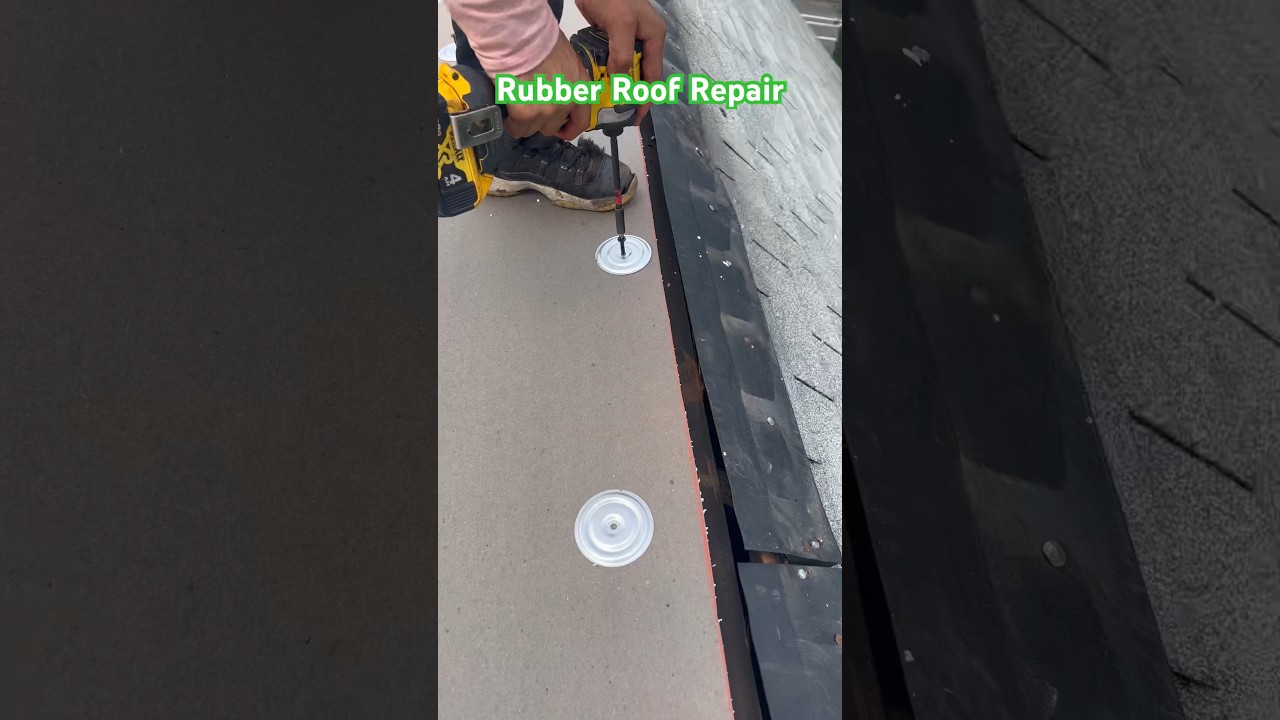
If you want a simple way to test the recommendation, ask the contractor to explain why the roof can be repaired now and what would likely happen next if you do not replace. When that answer is specific and grounded in the observed roof condition, you’re much more likely to be making the right decision for both your budget and your long-term peace of mind.