Modified Bitumen Roofing: Repair vs Full Replacement
Modified bitumen roofing sits in that important middle ground where homeowners and building owners often ask the same question: is this a repair job, or are we already past the point where patching will make sense? The answer is rarely about one visible blister or one wet stain. It is usually about what is happening under the surface, how long the roof has been cycling through moisture and temperature swings, and whether the roof’s supporting layers and details have started to lose their ability to perform as a system.
Modified bitumen is commonly used on low-slope roofs, so the decision often comes down to system behavior. Water may find pathways through seams, laps, penetrations, and flashings, then migrate to areas that look unrelated at first glance. If the roof has been leaking for multiple seasons, if damage is spreading, or if the building has already experienced a significant event like fire damage or severe storm impact, repair may stop the bleeding temporarily but still leave the underlying problem in place.
Professional roof inspection and the contractor’s judgment are the key variables. Major manufacturers and insurance-oriented guidance generally steer people toward a simple concept: small, isolated problems can often be repaired, while older roofs, widespread damage, recurring leaks, or multiple trouble spots may justify replacement. That “recurring vs isolated” distinction is where most of the real-world money decisions are made.
Why “patching” can feel right, but replacement can be the better move
On a leaking roof, the first instinct is to get the water stopped fast. Emergency Roof Repair is a legitimate need, especially when interior finishes are at risk. In those moments, repair can be the correct first step. You stabilize the situation, protect the building, and buy time to fully evaluate the damage.
The friction starts when the repair becomes a pattern. If a Roof Leak Repair solves one area but the next wet spot shows up after the next storm, you are no longer treating a single defect. You are treating a system that has multiple weaknesses, or a roof that has started to age out in a way repairs cannot fully reverse.
There is also the “hidden layer” issue. Even when a visible patch looks fine during the first few weeks, the moisture path may continue behind the scene. Flashings can be compromised, laps can have lost integrity, and underlayment can hold water longer than the top surface indicates. Roof Repair decisions should account for what has been damaged and what has been altered during the leak’s timeline.
IBHS-style guidance on roof performance and post-event evaluation reinforces the same practical mindset: properly designed, installed, and maintained roofs help reduce damage from hazards like wind, rain, hail, ice, snow, and fire, and post-event evaluation can identify cases where repair is preferable to full replacement. In practice, that means the inspection has to be event-aware. A roof that took a direct hit in a particular area may be repairable if the damage is localized and the structure and attachments remain sound. If the roof’s performance has been compromised more broadly, then the evaluation may lead you toward Aging Roof Replacement.
The inspection is where the repair vs Roof Replacement decision starts
A Roof Inspection should not be a quick walkthrough where the contractor points at a stain and quotes a patch. The best inspections treat the roof as a layered assembly and look for evidence of how water moved.
In my experience, the most productive inspections begin with history. Was this a sudden leak after a storm, or has it been showing up gradually? Has there been any repeat issue in the same zone, or in different zones? Are penetrations, curb flashings, parapet edges, or rooftop equipment mounts involved? Those clues matter because modified bitumen performance depends heavily on detailing and the condition of interfaces.
From there, a contractor typically documents what is wrong and where, then evaluates whether the damage is isolated or part of a broader failure pattern. That “multiple trouble spots” concept is one of the clearest decision factors used across homeowner and commercial education material. When you have more than one area that looks like it is failing in the same way, repair can become an endless cycle.
Here are five questions a competent Roof Inspection should help you answer, not just for modified bitumen, but for any low-slope membrane roof system:
- What is the suspected source of the leak, and does it match the interior evidence?
- Is the damage confined to a small, isolated area, or are there multiple problem locations?
- Are flashings, seams, and terminations showing deterioration or separation?
- Is the roof showing signs of aging that suggest widespread loss of performance?
- After repair, would the roof still be expected to carry the building’s load and exposure risks, or is replacement the more realistic long-term fix?
If you cannot get clear answers to those questions, you are not truly deciding repair vs Roof Replacement. You are deciding based on guesswork.
When repair is usually the right call for modified bitumen roofing
Repair is often the better move when there is a specific, localized failure. The most common scenario is a Roof Leak Repair need tied to one component, such as a compromised flashing detail or damage limited to a section of the membrane. Another common case is when a newer or comparatively maintained roof has an isolated issue due to a mechanical puncture, a small lapse, or a repairable seam problem.
Manufacturers and education guidance generally align with this: small, isolated problems can often be repaired. The practical interpretation is that the underlying layers and adjacent details are still performing well enough that you can stop the leak without leaving a large portion of the system in an unreliable condition.
Repair can also make sense after an early-stage roof event when the damage is clear and bounded. For example, after a storm or wind event, you might find localized membrane disruption without structural distortion or widespread separation. That is where Emergency Roof Repair and stabilization can be both appropriate and cost-effective as a first step, followed by a more complete plan once the assessment is complete.
Even then, it’s important to manage expectations. Repair is not the same as resetting the roof’s lifecycle. You are restoring function where it failed. If the roof has already moved into widespread aging or recurring leaks across multiple zones, repair tends to become a revolving door.
When full replacement is usually the safer long-term decision
Replacement is the move when repair can’t reasonably restore the system’s reliability. The guidance is consistent across the education materials: older roofs, widespread damage, recurring leaks, or multiple trouble spots may justify replacement. In commercial terms, the “recurring” aspect is especially expensive, because every leak can trigger more than just water damage. It can disrupt operations, affect wood shake roofing ceilings and finishes, and increase the chance that damage spreads behind assemblies.
There are also event-driven reasons replacement comes up. Fire Damage Roof Replacement often enters the conversation when heat exposure, compromised materials, or safety concerns affect more than just the surface. Similarly, severe hail, wind, or structural distortion can change whether repair is feasible. IBHS-style guidance notes that post-event evaluation can identify cases where repair is preferable, but it also recognizes that certain hazards can change the equation.
In the modified bitumen world, widespread replacement often becomes the sensible answer when multiple membrane areas, flashings, and terminations show loss of integrity. If the roof has repeated failures in different locations, that pattern typically indicates more than one random defect. It suggests broader deterioration, installation aging, or systemic wear.
Here are five common signals that many contractors use to justify Roof Replacement instead of continuing repairs:
- Recurring leaks in the same or different areas over multiple seasons
- Damage that is no longer confined to a single small section
- Multiple trouble spots indicating more than one compromised component
- Evidence that flashings, seams, or terminations have degrading conditions across the roof
- Signs the roof has aged into a phase where localized fixes would be temporary
This is also where the phrase Aging Roof Replacement becomes practical rather than abstract. Once the roof’s performance margin is gone, patching is like fixing one crack in concrete that is actively moving. You can keep patching, but the movement usually continues.
The economics: Roof Replacement Cost is real, but so is the cost of delay
Cost is where conversations can get tense, because Roof Replacement Cost isn’t one number. It varies with roof size, materials, complexity, and project conditions. Even with accurate estimating, a quote reflects assumptions about how much work is needed and what the contractor expects to find once layers are removed or interfaces are opened.
One defensible way to frame the cost discussion is to separate immediate stabilization costs from long-term lifecycle decisions. Emergency Roof Repair might be cheaper today, but if you end up repeating it, the cumulative spend can outrun replacement sooner than expected.
To illustrate how varied roofing replacement costs can be by material and scope, one reported figure shows an average 2023 Roof Replacement Cost of $14,959 for an asphalt shingle roof. Actual costs still vary by roof size, materials, and project complexity. That’s not a statement that modified bitumen replacement will cost the same as asphalt shingles. It’s a reminder that roof replacement pricing swings widely based on the system, logistics, and the condition discovered during the work.
For decision-making, you want an estimate that reflects the roof’s current condition, not a generic number. If you’re deciding between Roof Repair and Roof Replacement, ask your contractor to explain why the repair won’t address the underlying failure pattern they are observing, not just why replacement is “better.”
What a replacement typically involves, and why that matters for your decision
When replacement is the right call, the scope is usually more extensive than many people expect. A typical roof replacement includes removing old roofing materials, installing new underlayment and roofing materials, replacing flashings and ridge caps, and cleaning up the site. That general breakdown is important because it helps you understand why replacement can stop repeating problems.
With modified bitumen, you are effectively rebuilding critical system components: the membrane surface and the interfaces that keep water from traveling where it shouldn’t. If those interfaces are the weak link, replacement is a method to restore continuity across the roof rather than relying on a local patch to “bridge” a compromised boundary.
This is also why a Roof Replacement After Leak often becomes necessary even if the original leak seemed small. Once water has been present long enough, materials may have absorbed moisture or been damaged in ways that are hard to see from above. The visible stain or damp patch might be the symptom, not the condition.
A practical way to think about roof age and expected performance
Even without quoting a specific lifespan for modified bitumen, the inspection process should consider roof age and condition together. The education guidance commonly cites that asphalt shingle roofs often last about 20–30 years, with architectural shingles sometimes used as a premium laminated type within that range. That asphalt context is useful because it shows the general concept: roofing materials have an expected service life, and once they move past it, the chance of widespread issues rises.
For modified bitumen, a similar logic usually applies even if the exact timeframe differs. If the roof is old enough that multiple details are degrading, replacement becomes more likely to provide value than repeated repairs. The goal is to match the solution to the roof’s stage of deterioration, not just to the leak’s current location.
Modified bitumen on commercial roofs: repair vs replacement gets more unforgiving
Commercial Roof Installation and Commercial Roof Repair decisions often feel different from residential. For one, commercial roofs can have more penetrations, rooftop equipment, and complex penetrations through curbs and upstands. They also tend to be under more continuous use, which makes downtime expensive.
Commercial Roof Repair can still be the right approach if the issue is localized and the rest of the roof system is performing as intended. But when you have recurring membrane failures, repeated Roof Leak Repair after each storm season, or multiple trouble spots, Commercial Roof Replacement starts to look less like a big-ticket decision and more like a necessary correction.
Also, commercial roofs often use system variations that affect how replacement choices are evaluated. If you are considering alternatives or assessing overall strategy, you might hear contractors compare modified bitumen to other low-slope and membrane systems, such as TPO Roofing Installation, EPDM Commercial Roofing, Rubber Roofing EPDM, PVC Roofing, or Commercial Metal Roofing. The decision still comes back to your facility’s conditions, roof geometry, and the performance record you need going forward.
Where emergency repair fits, and what to do after the immediate patch
Emergency Roof Repair can be a lifesaver when water is actively entering the building. In those scenarios, the priority is stabilization and damage control. But emergency work should not be the end of the story.
A good contractor treats emergency repairs like a bridge to a proper plan. Once conditions allow, you schedule a full Roof Inspection that reassesses the entire roof area involved, not only the puncture or seam that was leaking on day one. This matters because emergency fixes often focus on stopping the active leak, while the larger issue might be broader membrane separation, compromised flashings, or multiple migration paths.
If you have experienced a Roof Replacement After Leak, you already know the pattern. The first fix buys time. The next rain tests whether the roof system was truly restored.
Edge cases: the scenarios that change the decision
There are a few situations where even a “small” problem can lead to replacement, or where replacement might be avoidable longer than people think.
If a roof has widespread damage, replacement can be justified even when one leak looks like the only active issue. The roof can have multiple micro-failures that have not yet surfaced inside. In that case, repair of one visible area becomes cosmetic rather than corrective.
On the other hand, if a roof is relatively new, properly maintained, and the damage is truly localized, repair can be the right choice longer than you might expect. The key is proof: the inspection should show that the adjacent system is still intact and the failure is confined.
Event type matters too. Fire damage can change materials and compromise assemblies in ways that are not always obvious from the membrane surface. Severe wind or hail can cause localized damage, but structural distortion or extensive impact patterns can push you toward full replacement.
How to choose between repair and replacement without getting trapped
The worst outcome is signing off on repeated repairs without a clear Commercial Roof Replacement path to either roof recovery or a structured replacement plan. To avoid that, you want the contractor to connect their recommendation to observations, not just to price or urgency.
Start by asking for a clear statement of what is failing. Then ask what would change after repair. If the contractor cannot explain why the repair is expected to last, the “repair” option may not be a repair plan, it may be a temporary stopgap.
If replacement is recommended, ask what will be removed and rebuilt, including underlayment and critical interfaces. Since a typical replacement includes removing old materials and installing new underlayment and roofing materials, replacing flashings, and cleaning up the site, that list should show up in the proposal in a way that fits your roof.
This is also where you can compare strategy across roof types. If you are weighing options like Asphalt Shingle Roof Replacement, Metal Roof Replacement, Slate Roof Replacement, Tile Roof Replacement, Flat Roof Replacement, Cedar Shake Roof Replacement, or other systems, keep in mind that the “repair vs replace” question is still driven by condition and performance. Material choice affects upfront cost and long-term maintenance expectations, but it does not replace the need for honest evaluation.
What I would do in real life: a balanced decision process
When I advise building owners, I try to keep three realities in view.
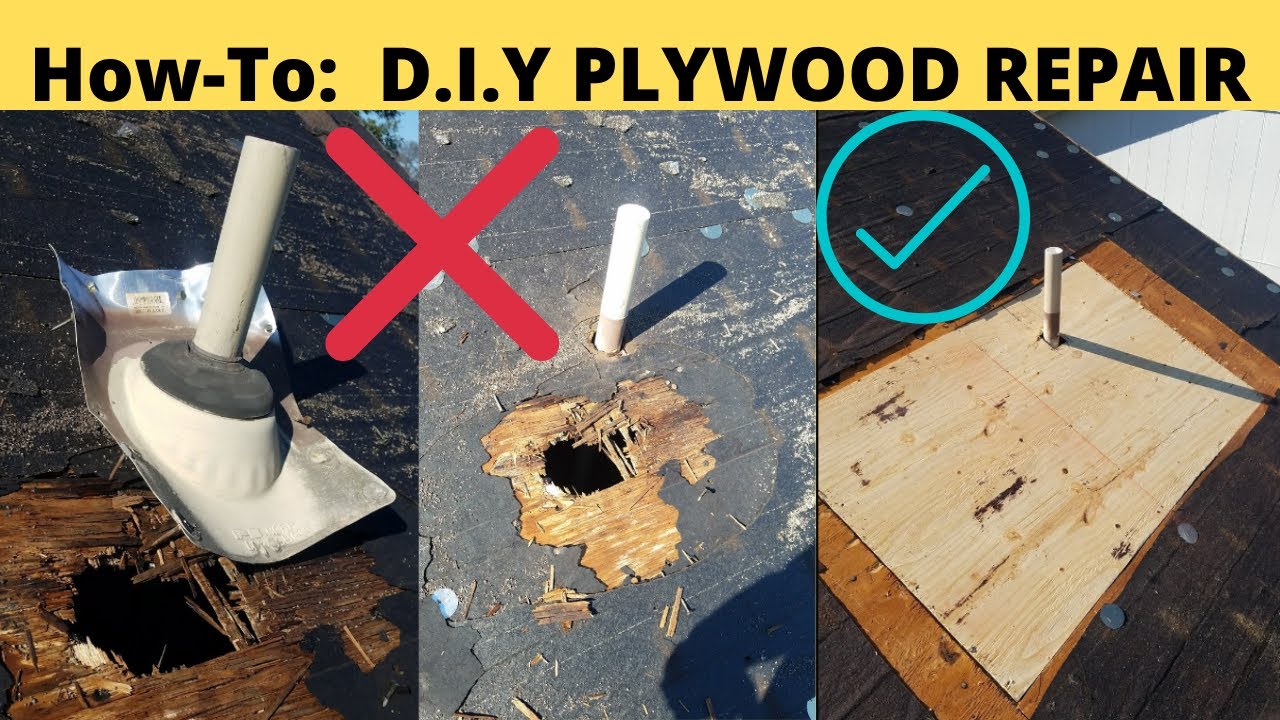
First, if water is entering, emergency stabilization is step one. Roof Repair and Emergency Roof Repair are tools, and they should be used to protect the property while you investigate.
Second, I treat “recurring leaks” as a boundary condition. One repair can be successful and still not mean the roof is solved. If leaks keep returning in new areas, that’s a strong indicator that the roof system needs a larger reset.
Third, I make the inspection thorough enough that the repair or replacement recommendation is defensible. The goal is not to win an argument about price. The goal is to decide based on what is happening across the roof, including seams, terminations, flashings, and overall aging.
Modified bitumen can be repaired when the damage is isolated and the rest of the roof still has performance margin. It should move toward replacement when the roof is aging into widespread loss of integrity, when there are multiple trouble spots, or when the leak history suggests recurring failure. That framework is simple on paper, but the details come from the inspection and the contractor’s ability to interpret what they find.
If you’re staring at a stained ceiling, a blistered seam, or a recurring leak after last season’s patch, don’t rush the final call. Get the roof evaluated properly, stabilize if needed, and use the roof’s condition as the deciding factor. That is the most reliable way to avoid paying twice, and it is the clearest route to a long-term outcome.